

Is renting cars safe in the UAE? (Tips for Tourists)
Introduction
The UAE was and continues to be among the best tourist attraction spots in the world with enticing deserts, high-rise buildings, and picturesque coastlines. The greater part of tourists consider it a common way of exploring the country and its cities, i.e., Dubai, Abu Dhabi, Sharjah, and Ras Al Khaimah, through car rental. However, the other question that the tourists will pose is: Is it possible to drive a rented car in the UAE?
- UAE roads are properly built, featuring road signage and advanced road networks that have reduced the risk of motor accidents on the roads in the country today, making driving in the UAE a less risky undertaking. But there are road rules and road etiquette in the country, which could be taken into account by the tourists to ensure that the journey is stress-free and even safe. It is a guide that will bring all the information you require to know in the process of leasing a car, road safety, local laws concerning driving, and even some tips available on how to negotiate on the road in the UAE.
1. Getting accustomed to the Driving Conditions in the UAE.
The UAE driving, as a rule, is convenient, smooth, and easy. The state has spent a significant amount of money on the road network, which is composed of highways, expressways, and urban roads that carry road signs. The streets are well illuminated, with most highways having over a line of electronic speed limit signs in addition to traffic cameras.
- It is, however, recommended that tourists keep in mind that the conditions on the road are never the same everywhere. The rush hours are only augmented in overpopulated cities like Downtown Dubai or the Abu Dhabi Corniche. The roads are fair enough, such as the highways and the desert roads, which have connected the cities, such as the Dubai-Abu Dhabi highway, but very cautious, as there are cars travelling at a high rate, and this is in some cases, where the roads are close to sandstorms. Among the knowledge, which includes a safe driving experience, is the knowledge of the surroundings of the road and the dangers that may be there.
2. Renting a Car in the UAE
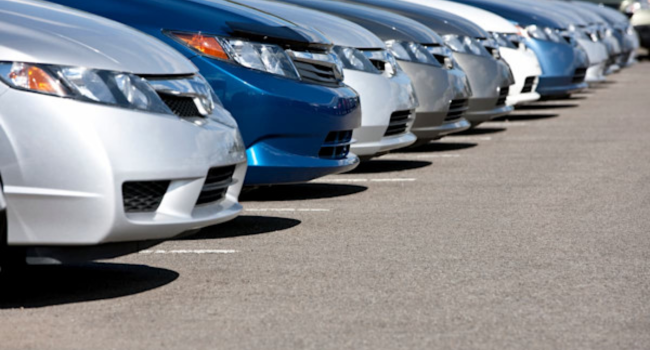
People in Dubai, Abu Dhabi, and other emirates are able to recruit motor vehicles without difficulties. The international car rental companies include Hertz, Avis, Europa Cars, and the local one, which includes the economy cars and the luxury SUVs.
The UAE terms of leasing a vehicle are generally as follows:
- A driving license in the UAE or an international driving license.
- An identification passport and a visa.
- In the form of a credit card, a security deposit is required.
- The rental agencies also offer insurance coverage, which is highly recommended, and tourists are expected to carry it along to avoid being liable in cases of accidents. They are also able to request the tourist to bring the GPS navigation system, child seats, and toll pass that will ensure that the process of driving is safe and comfortable.
3. Top Ten road rules: Ten Things Every Tourist Should Know.
The UAE has stringent road management in an effort to offer road safety. What the tourists ought to know is as follows:
- Speed Limits: The highways have a speed limit of 100 to 140km/h on average, and the city roads have a speed limit of 40 to 60km/h.
- Seat Belts: It is also a compulsory item for all passengers, and they are required to pay a fine if they are not wearing them.
- Mobile Phones: This is extremely prohibited in the act of driving unless one is using hands-free devices.
- Traffic Signs and Traffic Lights: These must be followed, and the UAE has road signs internationally that will make road navigation less problematic among tourists.
- Drinking and Driving: No one can afford to drink and drive under the influence since the consequences of it encompass jail or deportation, which carries hefty fines.
Such policies will not only make you safe but will also save you money and lawsuits.
4. Navigating City Traffic
The Dubai and Abu Dhabi metropolis is very cumbersome and busy, especially during the morning and evening rush. Tourists should consider:
- White Driving by using a GPS satellite navigation application, like Google Maps or Waze, so that they can be informed of the existing traffic.
- Preferably, it is not best to visit such places during rush hours (7.30 9.30 am and 5.00 8.00 pm).
- Roundabouts/crossroads: they are not complex because the UAE citizens are disciplined but time-conscious.
- Details regarding the parking policies, since in most places, a person is expected to pay to park or possess a parking card.
- The driving city will require caution and defensive driving, yet through the right planning, the tourists will be able to move up and down the streets safely, not to mention that they will be able to move freely as well.
5. Highway Driving Tips
The UAE has well-maintained highways, and consequently, it is easy to move in and out of the emirates. Nevertheless, the tourists are not to be left behind:
- Stick to your own lane; it is quite dangerous to use alternate lanes, especially when it is fast.
- Watch out for emergency traffic and cars.
- There would be the chance that desert highways are covered with sand or there is a lack of visibility, mainly in the windy seasons.
- Use of the cruise control should be kept to a minimum, such that in certain localities, adjustments have to be made due to the traffic or the traffic curves.
- Highway driving is not a hazardous activity, and tourists must be cautious and aware of the law in terms of speed.
6. Learning about the Local Driving Culture.
The roads employed in the UAE are modern, and the driving culture may not be as intimate as the tourists are used to:
- The drivers of Abu Dhabi and Dubai are highly aggressive and are usually well disciplined.
- Road rage is prosecuted, and the camera on the roads is utilized to capture irresponsible behavior.
- This can result in an accident risk since tailgating and switching lanes abruptly or speeding will result in the risk of an accident, and the tourists will need to be in a state of rest and relaxation with safe distances.
- Such local standards may be useful in this knowledge to prevent misunderstanding and enjoy driving.
7. Night Driving in the UAE
Travelling at night through the roads and highways can be regarded as rather safe, though a tourist must watch:
- Desert roads should not be used at night, nor should they be of a nature not well known or used.
- Wildlife touring or wandering beasts, and especially in the northern emirates, e.g., Ras Al Khaimah.
- Check up of the Headlights and taillights, particularly when renting cars with a different control system.
- On a nighttime drive, it’s beautiful, especially on the coastal roads and bridges, but one has to be careful.
8. Automobile Rental Insurance and Security.
Traveling in foreign states requires insurance to such a degree. Most of the UAE rental firms offer:
- Minimal level of coverage and third-party liability coverage.
- Vehicle damage indemnity using disability (CDW/LDW).
- Other products, such as the personal accident cover or roadside service.
- The other thing the tourists would need to do is to read the terms of insurance and ensure that they understand the coverage level given, deductibles, and emergency procedures. Extensive insurance provides the guarantee that he or she will be able to drive without any inconveniences.
9. B Road Emergency Management.
- Non-common accidents or emergencies are there. Tourists should know:
- There are 999, 998 police/ambulance (Emergency) in Abu Dhabi / Dubai.
- Documents of an insurance company, car hire.
- Admission: Do not confess; seek a law enforcer in case of an accident.
- The renting out of the services or highways of the UAE (e.g., Salik assistance) can be offered as roadside services.
- The unexpected events will be under control because of being prepared.
Conclusion
It can be assumed that the future 2026 will be safe and comfortable during the driving of the rental car in the UAE, assuming that the country visitor has already gotten to know the laws of the local traffic, on which they should drive, and has taken every precaution they require. It has good roads with very visible signs, and the law is very strict, making the road environment safe.
- Using a car also provides flexibility and comfort to tourists and travelers since they are able to explore the places they want to, especially those with limited transportation in the Emirates. It will be a pleasant and healthy experience with the conscious awareness of the speed limit, desert, city traffic, and insurance demands. When the tourists are on the road in the cities, coastal, or even deserts, the UAE can always be proud and safe.
FAQs
Do foreigners need to possess a UAE driving license to seek the services of a vehicle?
No, when renting a car in the UAE, tourists are likely to possess the right to use a foreign driving license and a valid passport.
Do the foreigners make good drivers in the UAE cities?
Yes, the roads in Dubai and Abu Dhabi are safe, although the only problem there is that tourists need to follow the road laws, road signs, and the city’s road driving laws.
Is it possible to drive fast on the UAE highways?
Yes, there will be highways, but tourists will not be a part of a red-light violation; hence, they will not be involved in an accident.
Are there any instances where one needs full insurance in the process of hiring a car?
Yes, it is highly recommended to buy all-inclusive insurance that would cover all and ensure peace.
What is the demand needed in case of a car accident as a tourist?
Call the police at once, do not confess, and follow through the emergency program contained in your contract with one of the rental companies.